Should You Rent or Sell Your First Home? Pros & Cons
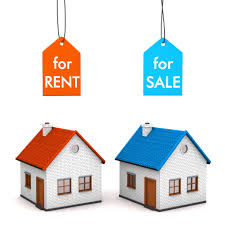
Deciding whether to rent or sell your first home can feel like standing at a crossroads. Both options can offer financial upside, but the right choice depends on your goals, your tolerance for responsibility, and the current local housing conditions. If you're unsure which path makes sense for you, you’re not alone — many first-time homeowners face this same question.
To help you evaluate your options clearly, here’s an in-depth look at the pros and cons of both renting and selling, along with expert guidance from Meredith Fogle with The List Realty.
Selling can be the simplest and most straightforward option, especially if you’re moving on to a new stage of life or hoping to free up equity.
If your home has appreciated, selling allows you to unlock that value right away. This can help fund your next purchase, pay down other expenses, or strengthen your financial position.
Selling eliminates the responsibilities of maintaining a rental property — no repair calls, no turnover management, and no regulatory or tax obligations related to being a landlord.
Selling provides a clear break: your proceeds, minus selling costs, are yours immediately. This can be appealing if you prioritize simplicity and predictability.
Once the home is sold, you no longer benefit if property values rise in the future.
Depending on how long you’ve owned and lived in the home, taxes may come into play. A qualified real estate professional can help you understand whether the federal primary residence exclusion applies in your situation.
Renting your property can be a long-term wealth-building strategy — but it does come with responsibilities.
Rental income can help offset your mortgage while building equity over time.
Keeping the home allows you to benefit from future market growth if property values rise.
A well-managed rental property can strengthen your long-term financial stability by adding a real-estate asset to your investment mix.
From ongoing upkeep to legal compliance, managing a rental property takes time, organization, and financial reserves for maintenance.
Periodic vacancy or unexpected repairs can temporarily reduce returns.
Local rental rules can change over time. Staying compliant requires awareness and documentation — something not all homeowners want to take on.
Meredith Fogle with The List Realty often helps homeowners analyze both options based on their long-term goals and current market conditions.
“The decision to rent or sell your first home depends on your financial goals and the level of involvement you're comfortable with. Some sellers value the simplicity and clean break that comes with selling, while others appreciate the long-term wealth-building potential of keeping the home as a rental.” — Meredith Fogle, The List Realty
Her advice consistently focuses on helping homeowners make choices that support long-term financial stability — without ever pushing them toward one path over another.
Ask yourself these questions:
Do you want access to your equity now?
Are you prepared for the responsibilities of property management?
Does long-term investment appeal to you?
Are you financially able to cover repairs or potential vacancy?
Are you planning to buy another home soon and need funds for the purchase?
Your answers usually point clearly toward one option.
If you’re unsure, a professional consultation can provide clarity. Meredith and her team can walk you through expected costs, potential rental pricing, selling timelines, and overall return on investment — all without pressure and in full compliance with Fair Housing guidelines.
Stay up to date on the latest real estate trends.

By Meredith Fogle

By Meredith Fogle

By Meredith Fogle
By Meredith

By Meredith Fogle

By Meredith Fogle

By Meredith Fogle

By Meredith Fogle

By Meredith Fogle
You’ve got questions and we can’t wait to answer them.