The Real Cost of Waiting to Sell
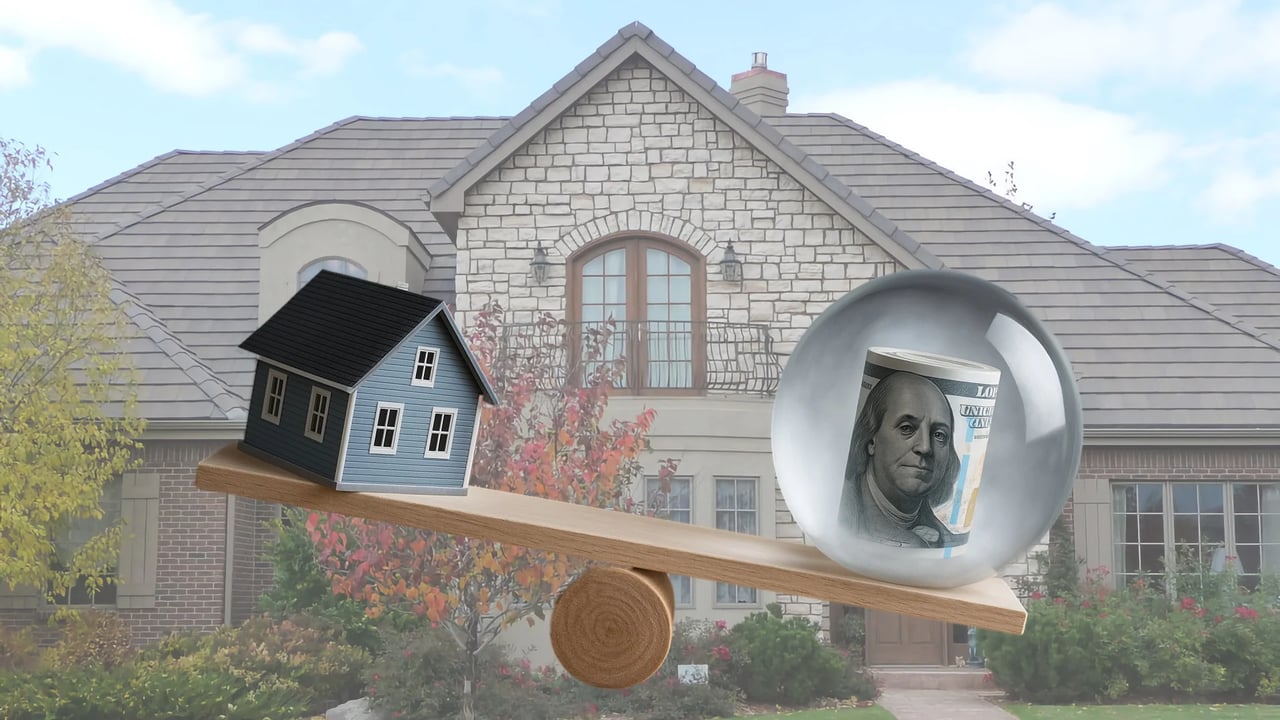
When you’re thinking about selling your home, it’s easy to fall into the “maybe next year” mindset. Life is busy, markets shift, and timing never feels perfect. But the truth is, waiting to sell often has a very real financial impact - one many homeowners don’t see until they’re well past the ideal window.
Below, we’ll break down the hidden costs of delaying your sale, how those costs add up, and how to decide whether now is truly the right moment to make your move.
You don’t need a crystal ball to understand that real estate markets change. Prices, buyer demand, interest rates, inventory - all of these move in cycles. When you hit a strong selling window, it’s worth paying attention.
Meredith Fogle with The List Realty explains it this way:
“One of the biggest missed opportunities I see is when homeowners assume the market they see today will be the same six months from now. Real estate is dynamic. The best time to sell is when your financial and lifestyle goals align with favorable market conditions.”
If demand softens or inventory increases, your home may face increased competition, which can influence both price and time on market.
Even small increases in interest rates significantly reduce what the average buyer can afford. That shift often has two effects:
Fewer qualified buyers for your price range
Lower offers overall
When rates rise, home prices naturally decrease, simply because buyers’ monthly payment limits tighten. Waiting could mean facing a buyer pool with less financial flexibility.
Every month you hold a property you no longer want or need, you continue paying:
Mortgage interest
Property taxes
Insurance
Utilities
Maintenance
Potential HOA fees
Even if you aren’t in a rush, these expenses quietly accumulate. For many homeowners, selling sooner rather than later saves thousands simply by reducing ongoing ownership costs.
Deferred maintenance doesn’t get cheaper. Minor issues today become major repairs tomorrow. A delayed sale may include:
Repairing wear-and-tear that worsened
Replacing aging systems
Addressing postponed updates that buyers expect
If the property begins to feel dated compared to newer listings, it could further impact your selling price. The wisest investors sell before the costs of capital improvements outweigh the benefit of appreciation.
This is one sellers often overlook: Waiting to sell usually means waiting to buy. If prices continue to rise in the area you plan to move to, your purchasing power shrinks.
Timing doesn’t just affect today’s sale, it affects tomorrow’s purchase.
Financial factors matter, but so does peace of mind.
Many homeowners reach a stage where their current home no longer fits their daily needs - too large, too small, too much upkeep, or simply ready for a new chapter. Delaying the sale often prolongs stress, uncertainty, and decision fatigue.
Selling sooner can bring clarity and momentum toward your next stage of life.
You might consider delaying if:
You need time to complete major updates
You’re waiting for a specific life event
You’re preparing financially for your next purchase
However, evaluating the true cost requires a customized, data-based approach, not guesswork.
As Meredith Fogle with The List Realty notes:
“A market analysis tailored to your home’s unique features and your goals is the only reliable way to understand whether selling now or later is the better financial choice.”
A professional review helps you compare today’s value with projected scenarios, ensuring your decision is grounded in actual numbers.
Stay up to date on the latest real estate trends.

By Meredith Fogle
By Meredith Fogle
By Meredith Fogle
By Meredith

By Meredith Fogle

By Meredith Fogle

By Meredith Fogle

By Meredith Fogle

By Meredith Fogle
You’ve got questions and we can’t wait to answer them.