When Giving Up a Super-Low Mortgage Rate in Montgomery County, MD Actually Makes Sense
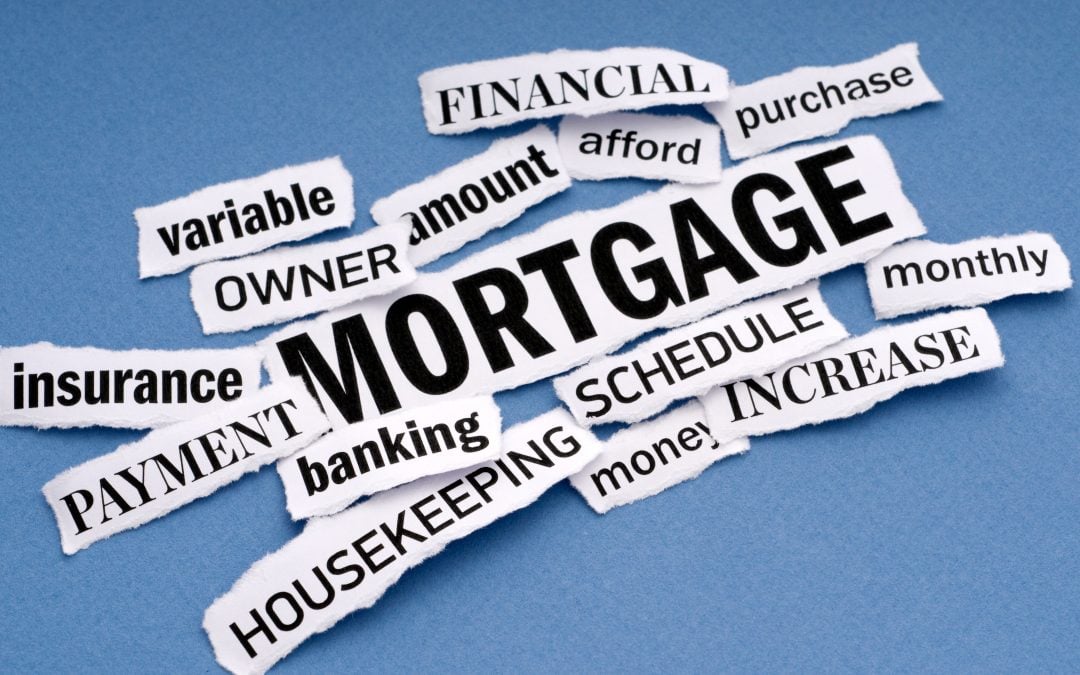
For many homeowners in Montgomery County, MD the biggest hesitation about selling right now isn’t market conditions; it’s their mortgage rate.
If you locked in a 2–3% interest rate in recent years, the idea of giving that up can feel almost unthinkable. And in many cases, holding onto that rate does make sense.
But not always.
There are specific situations where keeping a super-low rate actually costs you more than it saves, especially when life changes, equity has grown, or long-term goals have shifted. Let’s break down when giving up that low rate may be the smarter financial move - and when it absolutely isn’t.
Mortgage rates don’t exist in a vacuum. Homeowners naturally compare their current payment to what a new payment might be, and that comparison alone can feel discouraging.
But focusing only on interest rate misses the bigger picture. Your total financial outcome depends on several moving parts:
Equity growth
Ongoing maintenance and carrying costs
Opportunity cost of staying put
Timing advantages in the current resale market
Your personal and financial priorities
A low rate is valuable, but it’s not always the most important variable.
If your home has become too small, too large, or simply inefficient for your day-to-day life, staying put can quietly erode quality of life and finances.
Common examples include:
Paying to maintain unused space
Ongoing renovation costs to force a layout to work
Storage or off-site expenses that add up monthly
In these cases, the cost of staying often outweighs the benefit of a lower rate.
Many Montgomery County. MD homeowners are sitting on significant equity, sometimes far more than they realize.
That equity can:
Reduce the loan amount on your next purchase
Offset higher interest rates with a smaller balance
Provide flexibility for timing and financing strategy
As Meredith Fogle of The List Realty often reminds clients:
“I encourage homeowners to look at the entire balance sheet, not just the rate. Equity, lifestyle fit, and long-term plans matter just as much as the interest number itself.”
A higher rate on a smaller loan is not the same as a higher rate on a large one.
Some sellers delay a move purely because of their rate, even when market timing is favorable for selling.
That hesitation can lead to:
Missing stronger buyer demand windows
Listing later alongside more competing homes
Reduced negotiating leverage
In some cases, waiting to “protect the rate” results in a lower net outcome overall.
Monthly payment matters but it isn’t the only financial metric that matters.
If a move allows you to:
Reduce repair or maintenance costs
Eliminate inefficiencies
Simplify ownership expenses
Align housing with longer-term plans
…then the trade-off may be worth it, even at a higher rate. Remember, your time is your most valuable asset and the one that cannot be replaced.
Some homeowners value flexibility over optimization. Whether that means:
Shorter commutes
Easier upkeep
Better alignment with how they use their space
Flexibility often carries financial benefits that don’t show up in a rate comparison spreadsheet but absolutely show up in real life.
Just as important: there are plenty of times when holding onto that rate is the right call.
For example:
If your home still fits your needs well
If your carrying costs are very low
If selling would force a rushed or compromised purchase
If timing doesn’t align with your personal goals
A thoughtful decision works both ways.
Instead of asking “Can I afford to give up my rate?” a better question is:
“What is staying put truly costing me - financially and personally?”
That answer looks different for every homeowner.
As Meredith Fogle puts it:
“The right move isn’t about chasing or avoiding rates. It’s about understanding how your home supports (or limits) the life you’re building next.”
If you’re weighing whether holding onto your current mortgage still serves you, a clear, numbers-driven analysis can help you see the full picture, without pressure or assumptions.
Understanding when a move makes sense is just as important as knowing how to make one.
Stay up to date on the latest real estate trends.

By Meredith Fogle

By Meredith Fogle
By Meredith Fogle
By Meredith

By Meredith Fogle

By Meredith Fogle

By Meredith Fogle

By Meredith Fogle

By Meredith Fogle
You’ve got questions and we can’t wait to answer them.