Should I List in Late Winter 2026 to Beat the Spring Surge of Competing Homes?
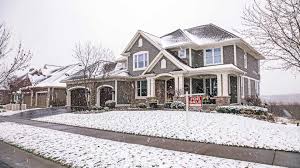
If you’re thinking about selling your home in 2026, you’ve probably heard the same advice over and over: “Spring is the best time to sell.”
But savvy sellers are asking a smarter, more strategic question:
Should I list in late winter to get ahead of the spring surge of competing homes?
The short answer? Sometimes - if the timing is right for your specific situation. Let’s break down what actually happens in the market, what late-winter sellers gain (and give up), and how to decide what works best for you.
Every year, there’s a predictable rhythm to the housing market. As winter fades, more sellers prepare to list, which means:
Inventory begins rising rapidly in early to mid-spring
Buyers suddenly have more options
Competition between listings increases
By listing before that wave hits (often in late winter) you may benefit from a quieter marketplace where your home has more room to stand out.
As Meredith Fogle of The List Realty explains:
“Timing isn’t about racing the calendar; it’s about positioning your home when buyer demand is active but inventory hasn’t yet caught up.”
For some sellers, late winter can offer meaningful advantages:
When there are fewer homes available, buyers tend to focus more closely on what is on the market. That can mean stronger engagement early on.
Buyers who are active in late winter are often motivated. Relocations, life changes, or longer-term planning don’t pause just because it’s not peak season.
If your home attracts attention quickly, you may build momentum before spring inventory expands and buyer attention becomes more divided.
That said, listing early isn’t automatically the right move for everyone.
Spring often brings more buyers overall. While competition increases, so does visibility.
Late-winter listings require earlier preparation - repairs, staging, photography, and pricing decisions need to happen sooner than many sellers expect.
Interest rates, buyer sentiment, and local inventory trends can all influence whether early positioning helps or hurts.
Instead of asking “Is late winter better than spring?” a better question is:
“What timing best supports my goals?”
Key factors to evaluate include:
How much inventory is projected to come online in your area
How prepared your home is for market-ready presentation
Whether your priority is speed, certainty, or maximum exposure
How pricing trends are behaving as winter ends
According to Meredith Fogle:
“The best listing strategy is never one-size-fits-all. Sellers who take time to align timing with preparation and pricing tend to feel more confident and see better outcomes.”
Listing in late winter can be a smart way to beat the spring surge, but only when it’s supported by the right preparation, pricing strategy, and market conditions.
For some sellers, early visibility and reduced competition create an edge. For others, waiting until spring provides broader exposure and flexibility.
The key is understanding your market, your goals, and your timeline, then choosing the moment that works for you, not just the season.
Stay up to date on the latest real estate trends.

By Meredith Fogle

By Meredith Fogle
By Meredith Fogle

By Meredith Fogle

By Meredith Fogle
By Meredith Fogle
By Meredith Fogle
By Meredith Fogle

By Meredith Fogle
You’ve got questions and we can’t wait to answer them.