Short-Term and Medium-Term Rentals in MoCo: Local Rules and Practical Considerations
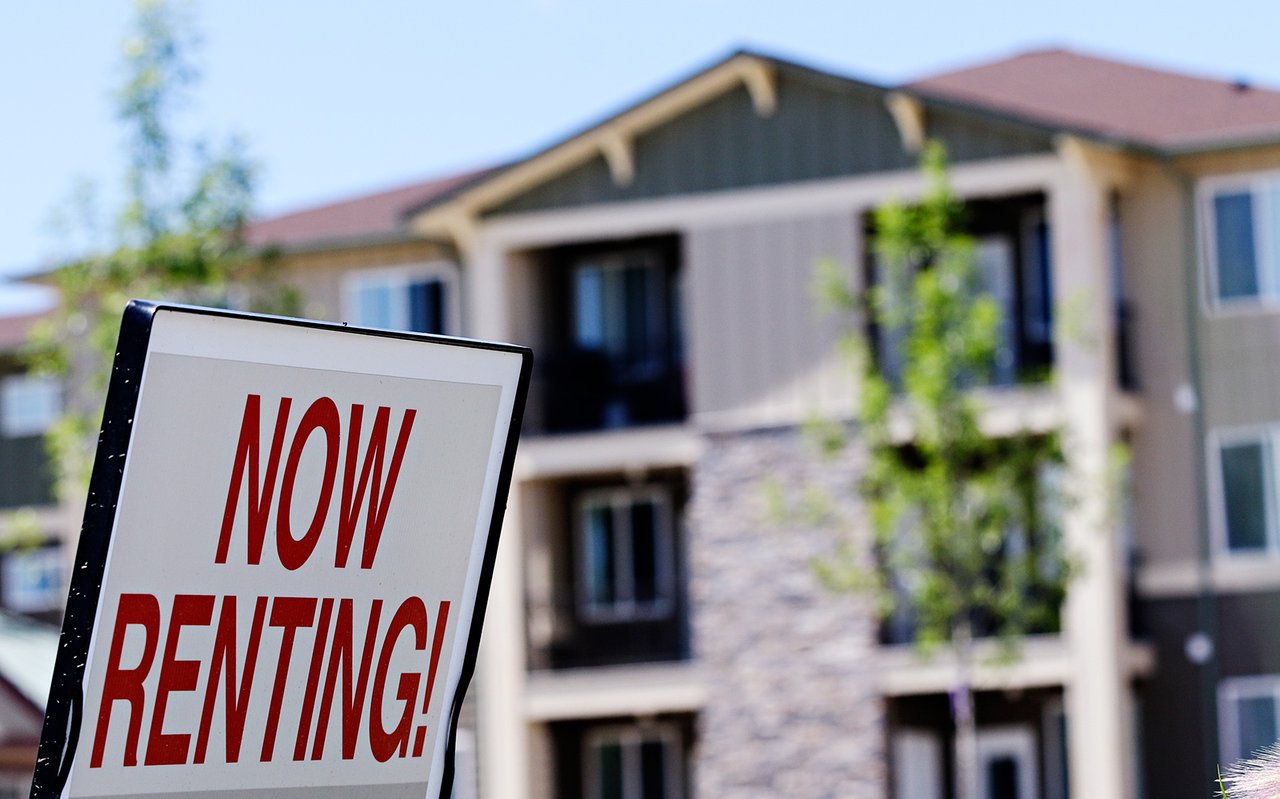
If you own a property in Montgomery County and are thinking about renting it out, you are not alone. Many homeowners are exploring short term and medium term rental options as a way to generate income, cover carrying costs, or create flexibility before selling. The opportunity is real, but so are the rules.
Understanding how Montgomery County regulates rentals, and how those rules affect your bottom line, can help you avoid costly missteps and make smarter decisions about your property.
In Montgomery County, short term rentals are generally defined as stays of 30 days or less. These are the typical listings you might see on platforms like Airbnb or VRBO.
Medium term rentals usually fall between one and six months. These are often used by traveling professionals, people relocating, or homeowners in transition between properties.
While medium term rentals may not always fall under the same strict framework as short term rentals, they still come with important legal and operational considerations.
Montgomery County allows short term rentals, but only under specific conditions. The most important points to understand include:
Primary residence requirement
You can only operate a short term rental in your primary residence. This means you must live there for a significant portion of the year. Investment properties or second homes typically do not qualify for short term rental use under current county rules.
Licensing and registration
Hosts are required to obtain a short term rental license from the county or city. This involves an application process, fees, and compliance with local standards.
Occupancy limits
There are restrictions on how many guests can stay in the property at one time, based on the number of bedrooms.
Safety requirements
Smoke detectors, carbon monoxide detectors, and emergency information must be in place.
Taxes
Short term rental income is subject to local hotel taxes in addition to state and federal obligations.
For many homeowners, the primary residence rule is the biggest limiting factor. It often changes the strategy entirely.
If short term rental rules feel restrictive, medium term rentals may offer more flexibility.
Leases longer than 30 days generally fall outside short term rental regulations. That means:
No short term rental license is required
No hotel tax in most cases
Fewer operational constraints
However, standard landlord tenant laws still apply. This includes lease agreements, security deposits, and maintenance obligations.
Medium term rentals can be especially appealing if you want consistent income without the turnover, cleaning, and management demands of short term stays.
Before choosing a rental strategy, it is important to compare the real numbers.
Short term rentals
Higher nightly rates but less predictable occupancy
More hands on management or higher management costs
Licensing and tax obligations
Medium term rentals
Lower monthly rate than peak short term pricing
More consistent occupancy
Lower turnover and operating costs
The right approach depends on your goals. Are you maximizing income, minimizing effort, or positioning the property for sale in the near future?
This is where many homeowners get caught off guard.
If you plan to sell in the next one to three years, your rental strategy can directly affect your outcome.
Properties tied up in leases may limit showing availability
Condition and wear can influence buyer perception
Income producing properties may attract a different pool of buyers
There is also a timing component. Ending a lease at the right moment can make a meaningful difference in your sale price and days on market.
As Meredith Fogle with The List Realty explains,
"Homeowners often focus on the income potential, but the bigger picture matters just as much. The way a property is used in the months leading up to a sale can impact both pricing strategy and buyer demand."
If you are considering renting out your property, it helps to step back and think through a few key questions:
Is this my primary residence, and does it qualify for short term rental use?
How much time do I realistically want to spend managing bookings or tenants?
Am I planning to sell in the near future?
What level of income consistency do I need?
Am I prepared to meet licensing, tax, and compliance requirements?
Clear answers here can save you time and frustration later.
Short term and medium term rentals can both work in Montgomery County, but they serve different purposes and come with different rules.
Short term rentals are more regulated and best suited for primary residences where the owner is actively involved. Medium term rentals offer a more flexible and lower maintenance path, especially for homeowners who want steady income without navigating short term restrictions.
If you are unsure which direction makes the most sense for your situation, it is worth taking the time to map out both the financial and practical implications before making a move.
Stay up to date on the latest real estate trends.

By Meredith

By Meredith Fogle
By Meredith Fogle

By Meredith Fogle

By Meredith Fogle

By Meredith Fogle

By Meredith Fogle

By Meredith Fogle

By Meredith Fogle
You’ve got questions and we can’t wait to answer them.