Why Well-Priced Homes Still Sell Fast in 2026 (And Overpriced Ones Sit)
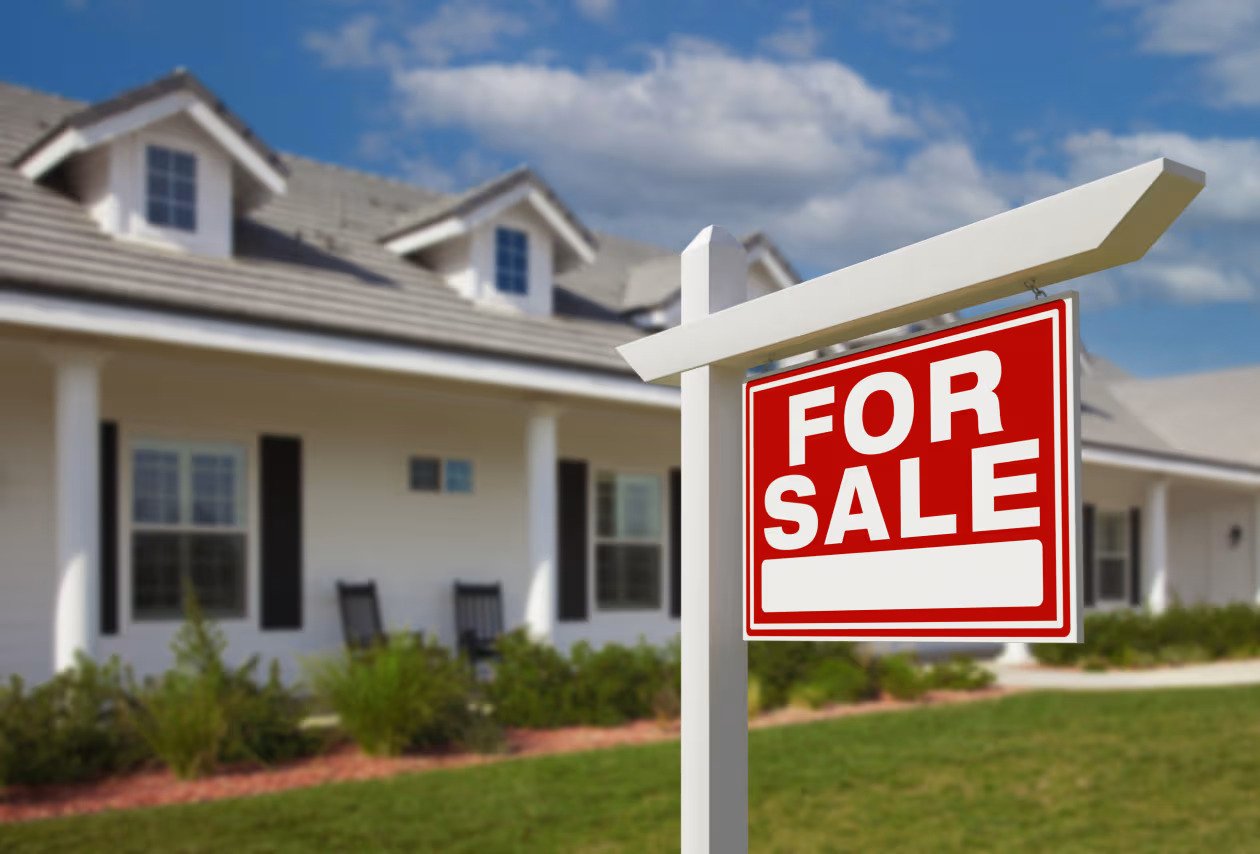
Many homeowners are hearing mixed messages about today’s real estate market. Some say homes are selling instantly. Others talk about listings that linger for weeks or even months.
Both can be true.
In 2026, the difference often comes down to one critical factor: pricing.
Homes that enter the market at the right price frequently attract strong attention and sell quickly. Homes that start too high often struggle to gain traction, even if the property itself is appealing. Understanding why this happens can help sellers make smarter decisions before their home ever hits the market.
Despite changes in interest rates and market conditions, buyers are still actively searching. Most buyers today are highly informed. They watch listings online, track price reductions, and compare homes carefully.
When a property is priced correctly, buyers tend to notice immediately. It aligns with the other homes they have been tracking and feels competitive within the current market.
When a home is priced too high, buyers often recognize it just as quickly. Instead of scheduling a showing, they move on to other options that appear to offer stronger value. They do not even consider making an offer; instead, they see the property as out of reach for them and move on.
This means pricing is not just about what a seller hopes to achieve. It is about how buyers perceive the home compared to everything else available.
The early days of a listing are often the most important.
When a home first appears on the market, it receives the highest level of attention from buyers and agents. People who have been waiting for new listings will often review it right away.
If the price is competitive, those early views can translate into showings and offers.
If the price feels too high, many buyers will simply skip the listing. Even if the price is reduced later, the home may have already lost some of the momentum that new listings naturally receive and the property can become a target for “lowball” offers.
It is common for sellers to wonder whether pricing a little higher leaves room for negotiation. In reality, starting too high can have the opposite effect.
Homes that sit on the market for an extended period can raise questions for buyers who may wonder whether something is wrong with the property or assume the seller is not reasonable nor motivated.
As time passes, sellers often end up making price reductions that bring the home back in line with the market. By that point, however, the listing may no longer feel new or exciting to buyers.
In most cases, homes that begin overpriced ultimately sell for less than they might have achieved if they had been priced correctly from the start.
Setting the right price requires more than looking at a few nearby sales. Market conditions, recent comparable homes, buyer demand, and current inventory levels all play a role.
Meredith Fogle with The List Realty often reminds sellers that pricing should be based on real data, not assumptions. She points out that underpricing a home can also be damaging. An experienced real estate professional assists sellers in determining the right price that will appeal to qualified buyers and lead to the best possible result.
“Many sellers are surprised to learn how quickly buyers recognize when a home is priced appropriately,” says Meredith Fogle of The List Realty. “When a home enters the market at the right price, it often attracts strong interest right away. The goal is to create that early momentum rather than trying to chase the market later.”
A thoughtful pricing based strategy based in solid math helps position the home to attract serious buyers from the beginning.
For homeowners thinking about selling in Maryland, a few early steps can make a meaningful difference:
Review recent comparable sales carefully
Pay attention to how long similar homes stayed on the market
Consider current competition from other active listings
Work with an experienced agent who understands local market trends
These steps help ensure the listing price reflects what buyers are actually responding to right now.
Homes are still selling quickly in many parts of Maryland in 2026. The key difference is that buyers are more selective than they were during the peak frenzy of previous years.
When a home is priced correctly from the start, it tends to generate interest, showings, and offers.
When a property enters the market priced too high, buyers often move on.
For sellers, understanding this dynamic early can mean the difference between a smooth sale and a listing that lingers.
If you are considering selling and want to understand where your home might fit in today’s market, a current market analysis can help you make informed decisions before you list.
Stay up to date on the latest real estate trends.
By Meredith
By Meredith Fogle

By Meredith Fogle

By Meredith Fogle

By Meredith Fogle

By Meredith Fogle

By Meredith Fogle

By Meredith Fogle

By Meredith Fogle
You’ve got questions and we can’t wait to answer them.