Sidewalks, Lighting, and Public Spaces: Evaluating Everyday Safety Features When You Choose a Neighborhood
When people begin searching for a home, most of the attention naturally goes to the property itself. Buyers compare kitchens, layouts, yard sizes, storage space, and finishes. But once the excitement of moving settles, everyday life tends to revolve around something else entirely: how the surrounding area functions from day to day.
Simple infrastructure features like sidewalks, street lighting, crosswalks, public gathering areas, and pedestrian access can shape how comfortable and convenient an area feels over time. These details may not stand out in listing photos, but they often become part of a buyer’s daily routine once they move in.
For buyers exploring Montgomery County and nearby areas, taking time to evaluate these practical neighborhood features can help create a clearer picture of how a location may fit their lifestyle and long-term needs.
Neighborhood infrastructure affects how people move through and interact with their surroundings. Sidewalk continuity, visibility at intersections, lighting placement, and maintenance of public areas can all influence how accessible and functional an area feels during different times of day and throughout the year.
For some buyers, walkability is important for exercise and outdoor recreation. Others may simply want easier access to parks, shopping areas, trails, transit stops, or community gathering spaces. Many people also appreciate having options for walking without relying entirely on a vehicle for short trips.
These are highly personal preferences, which is why it helps to evaluate features directly rather than relying on assumptions or broad descriptions.
Meredith Fogle with The List Realty encourages buyers to focus on practical observations during neighborhood tours.
“I always tell buyers to pay attention to how an area functions in real life, not just how it looks online,” says Meredith Fogle with The List Realty. “Things like sidewalk connectivity, visibility at intersections, lighting placement, and access to public spaces can affect day-to-day convenience in ways people don’t always think about during the early stages of a home search.”
Not all sidewalk systems are designed the same way. Some communities have extensive pedestrian networks, while others may have shorter sections that end unexpectedly or are limited to certain streets.
When touring an area, buyers may want to look at:
Whether sidewalks connect continuously between streets
Sidewalk width and overall condition
Accessibility ramps at intersections
Buffer space between sidewalks and traffic
Visibility near curves or intersections
Crosswalk markings and pedestrian signals
Trail connections or walking paths nearby
It can also help to visit during different times of day. An area that feels quiet and easy to navigate during mid-morning may feel very different during evening traffic hours.
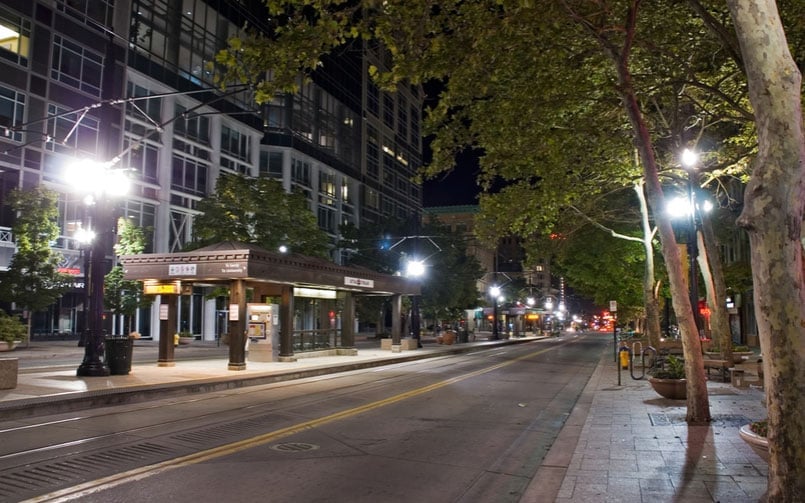
Lighting is another feature buyers often overlook during daytime showings. Streetlights, pathway lighting, parking lot visibility, and illuminated public areas may become more noticeable after sunset.
Instead of focusing solely on brightness, buyers can evaluate whether lighting appears consistent and functional throughout the area.
Things to observe include:
Whether sidewalks and intersections are evenly lit
Visibility near entrances, pathways, and parking areas
Lighting near parks or shared public spaces
Tree coverage that may block lighting
Areas with sharp visibility changes between blocks
Maintenance of lighting fixtures and poles
An evening drive or walk through the neighborhood can sometimes provide valuable context that is difficult to gather during a traditional showing schedule.
Public spaces often become part of daily routines over time. Parks, plazas, trails, libraries, recreation areas, and gathering spaces can all contribute to how people experience an area.
Rather than focusing on whether a neighborhood is considered “good” or “bad,” buyers can evaluate whether the available amenities align with their own priorities and routines.
Questions buyers sometimes consider include:
Are there parks or open spaces nearby?
Are benches, trails, or gathering areas maintained?
Is there pedestrian access between residential and commercial areas?
Are public spaces easy to reach without driving?
Is there visible upkeep of landscaping and shared areas?
Are bike lanes or multi-use trails available nearby?
These details may seem minor initially, but they can influence how often residents use nearby amenities and how connected daily routines feel over time.
One of the most effective ways to evaluate a neighborhood is to visit more than once. Conditions can vary significantly depending on the time of day, weather, traffic patterns, and weekday versus weekend activity.
Buyers often benefit from visiting:
During daylight hours
After sunset
During weekday traffic periods
On weekends
During different weather conditions if possible
This approach provides a more complete understanding of how the area functions beyond a scheduled home tour.
Many buyers now use online tools to review maps, walking scores, satellite imagery, and transportation data before touring homes. These resources can be helpful starting points, but they rarely capture the full experience of moving through an area in person.
Street-view imagery may also be outdated or incomplete depending on when it was last updated.
That’s why combining online research with in-person observation tends to provide the clearest perspective.
Choosing a home involves more than evaluating square footage and finishes. Everyday infrastructure features like sidewalks, lighting, crosswalks, and public spaces can influence convenience, accessibility, and how a location feels over time.
By paying attention to these practical details during the home search process, buyers can make more informed decisions based on how they actually plan to live day to day.
For buyers exploring Montgomery County and nearby communities, taking a little extra time to evaluate the surrounding environment can provide valuable insight that goes far beyond the listing description.
Stay up to date on the latest real estate trends.

By Meredith
By Meredith Fogle

By Meredith Fogle

By Meredith Fogle

By Meredith Fogle

By Meredith Fogle

By Meredith Fogle

By Meredith Fogle

By Meredith Fogle
You’ve got questions and we can’t wait to answer them.