Understanding Maryland Closing Costs and Ongoing Housing Expenses Before You Commit
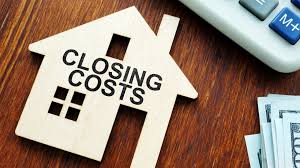
Buying a home is one of the biggest financial decisions you will make, and the purchase price is only part of the story. Many buyers and sellers in Maryland are surprised by the additional costs that come with closing and the ongoing expenses that follow. Knowing what to expect ahead of time can help you plan more confidently and avoid last minute stress.
Whether you are preparing to sell and move on to your next home or considering a purchase, this guide breaks down the real costs involved in Maryland real estate so you can make informed decisions.
Closing costs are the fees and expenses paid at the final step of a real estate transaction. In Maryland, both buyers and sellers have their own set of costs, and the exact amount can vary depending on the property, loan type, and negotiated terms.
For buyers, closing costs typically range from about 2 percent to 5 percent of the purchase price. These may include:
Loan origination fees
Appraisal and inspection costs
Title search and title insurance
Lender fees and underwriting
Prepaid property taxes and homeowners insurance
Recording fees
Seller costs may include:
Real estate brokerage fees
Maryland state transfer tax
Local county transfer and recordation taxes
Title and settlement fees
Potential buyer concessions
One important detail in Maryland is the recordation and transfer tax structure, which is often shared between buyer and seller but can be negotiated as part of the contract.
Meredith Fogle with The List Realty emphasizes the importance of understanding these numbers early in the process:
“Many people focus on the sale price and overlook the full financial picture. When you account for closing costs and ongoing expenses, you get a much clearer understanding of what your next move should look like.”
That clarity can make the difference between a smooth transition and unexpected financial pressure.
Once the transaction is complete, the financial responsibilities of homeownership continue. These recurring costs are just as important to plan for as closing costs.
Here are the main categories to keep in mind:
Maryland property taxes vary by county and are typically paid annually or included in your monthly mortgage payment through escrow. It is important to review the most recent tax assessment for any property you are considering.
Lenders require insurance, and premiums can vary based on coverage levels and property details. Shopping around for policies can help you manage this cost.
A common guideline is to budget 1 percent to 2 percent of the home’s value each year for maintenance. This includes routine upkeep as well as unexpected repairs.
Monthly utility costs depend on the size and efficiency of the home, as well as usage habits. These may include electricity, water, gas, trash, and internet services.
If the property is part of a homeowners association or condominium, there may be monthly or quarterly fees. These cover shared services or amenities and should be reviewed carefully before committing.
Even if you are selling, understanding these costs is critical. Buyers are increasingly informed and often factor total cost of ownership into their decisions. Pricing and negotiating with this in mind can help your home stand out in a competitive market.
Sellers should also plan for their own closing expenses and how those will impact net proceeds. Reviewing a detailed estimate before listing can help you set realistic expectations and plan your next move.
The best way to avoid surprises is to prepare early. Here are a few practical steps:
Request a net sheet or estimated closing statement before listing or buying
Ask your lender for a detailed loan estimate
Review property tax history and insurance quotes
Build a monthly budget that includes all recurring housing costs
Set aside a reserve fund for maintenance and repairs
Taking these steps gives you a clearer financial picture and puts you in a stronger position to move forward with confidence.
Understanding closing costs and ongoing housing expenses is essential for making smart real estate decisions in Maryland. When you look beyond the purchase price and account for the full cost of ownership, you gain better control over your financial future.
With the right preparation and guidance, you can move forward knowing exactly what to expect at the closing table and beyond.
Stay up to date on the latest real estate trends.
By Meredith

By Meredith Fogle

By Meredith Fogle

By Meredith Fogle

By Meredith Fogle

By Meredith Fogle

By Meredith Fogle

By Meredith Fogle

By Meredith Fogle
You’ve got questions and we can’t wait to answer them.